
A House Full of Art — The World of François Sergio and Madeleine Molinier
Text and photographs by Yann Courté · @memoire.courte on Instagram
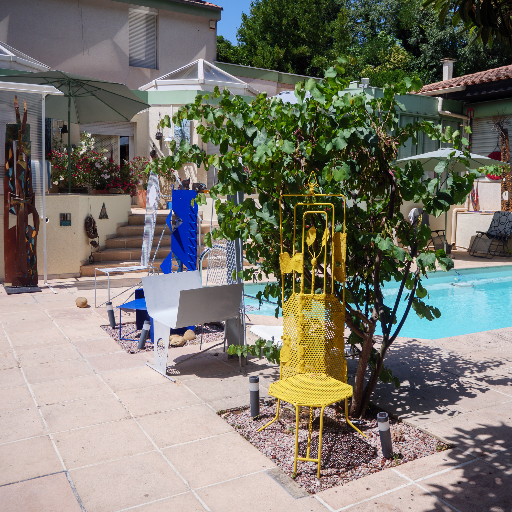
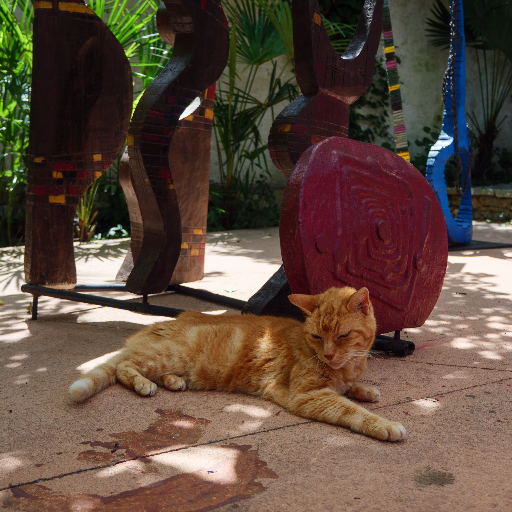
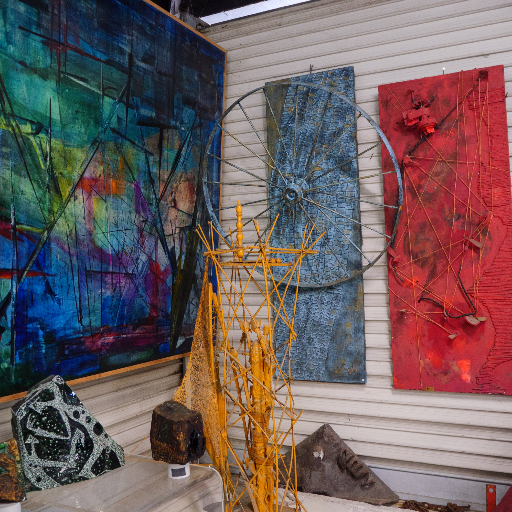
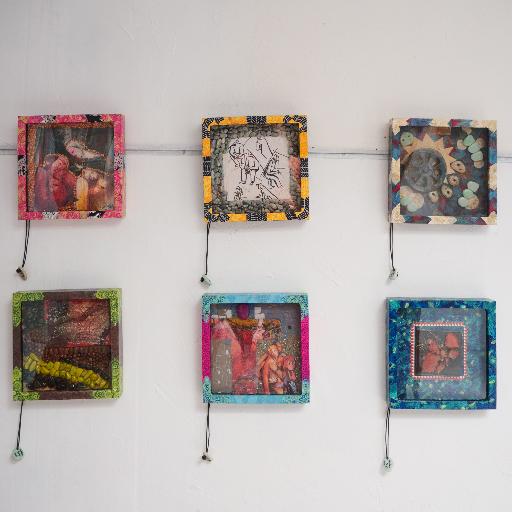
Tucked into the park of Issanka, between the villages of Poussan, Balaruc and Gigean, not far from Sète, there is a house that doesn't quite work like other houses. Rooms open onto rooms, the garden holds sculptures, the walls are covered in mosaics assembled from fragments collected on a beach, stones, bricks, glass, ceramic, salvaged from a village swallowed by the sea in Martinique. Over 1,500 works in total. You don't visit this place so much as move through it.
Two Practices, One World
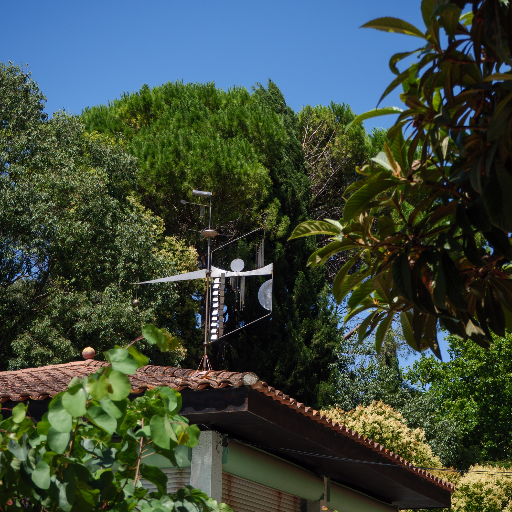
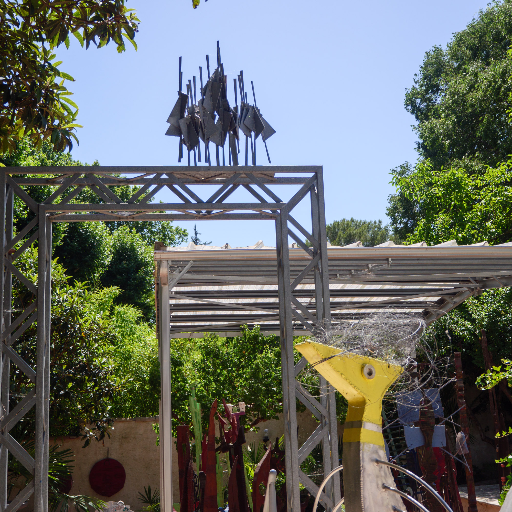
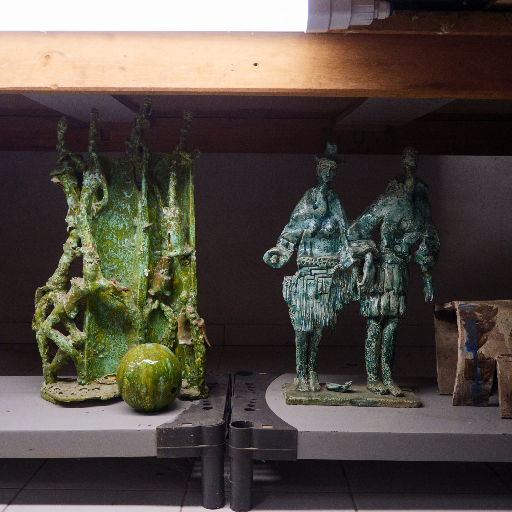
François Sergio and Madeleine Molinier married in 1957 and spent their lives building something together, two distinct practices, one shared world. Sergio trained in Frankfurt and Carrara, taught sculpture at the Beaux-Arts in Sète, then in Martinique, and developed a monumental body of work across stone, metal, bronze, wood, ceramics and architecture. His public sculptures mark the landscape of the region: a monument to Georges Brassens on the Sète seafront, the acrotère of the Musée Paul Valéry, a bronze at the entrance of the Palais des Congrès in La Grande Motte. He also worked at the intersection of art and design, designing furniture and objects with the same restless intelligence he brought to monumental sculpture.
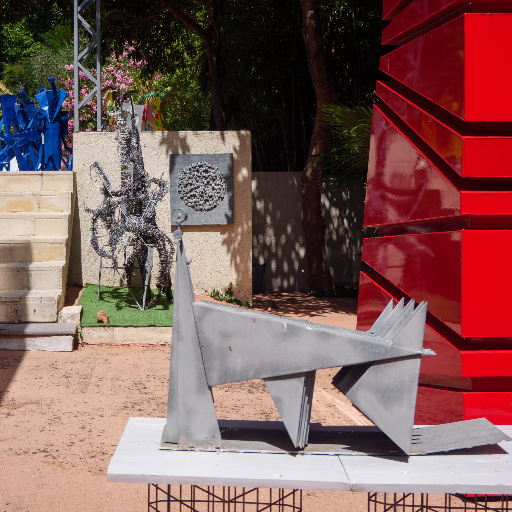
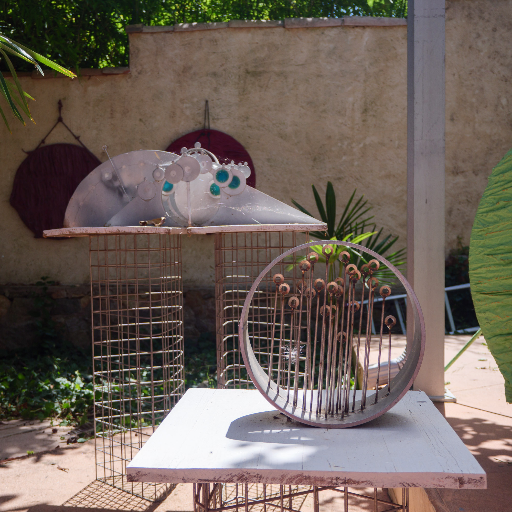
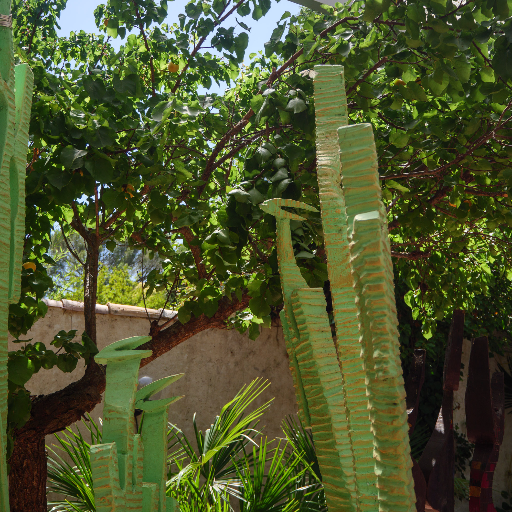
Art historian Sylvie Lagnier, who teaches at the Beaux-Arts in Sète, describes his work as a missing link somewhere between Giacometti, Moore and Picasso on one side, and the Figuration Libre movement on the other. Sergio taught some of its founding figures, including Robert Combas and Hervé Di Rosa, both central to the Sète school that would go on to define a strand of French painting in the 1980s. The connection shows in the physical energy of his forms, in a refusal to separate fine art from applied art, high culture from popular culture. It just hasn't received the attention it deserves.
The word visionary gets overused. Here it fits.
Itineraries
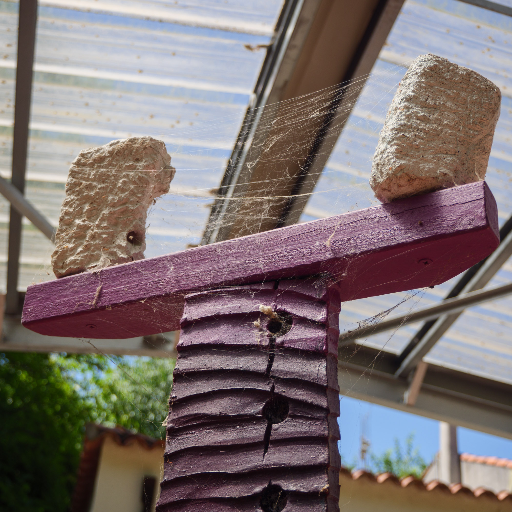
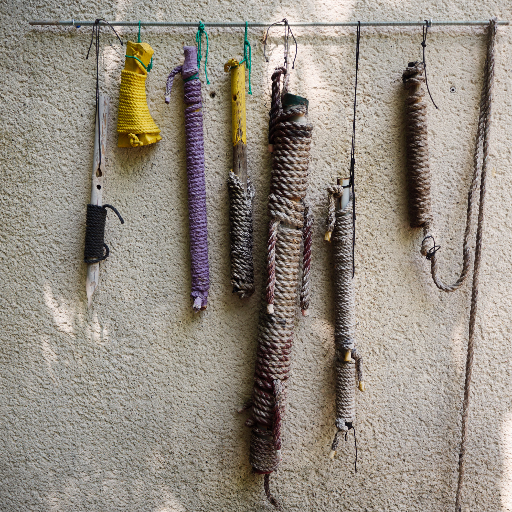
His work organizes itself around what he called itineraries, successive bodies of work in which materials and obsessions shift but a core sensibility remains: verticality, the tension between earth and sky, the sea as both origin and horizon.
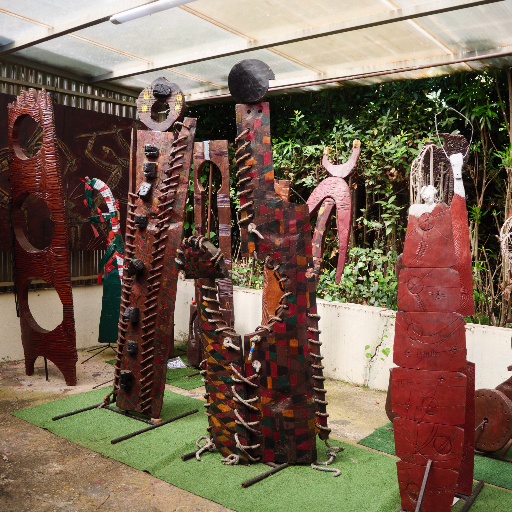
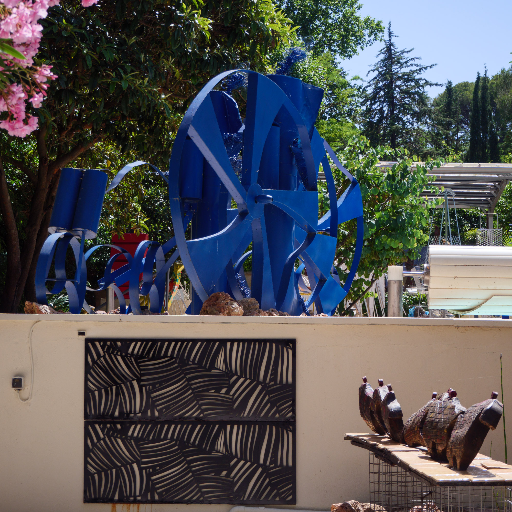
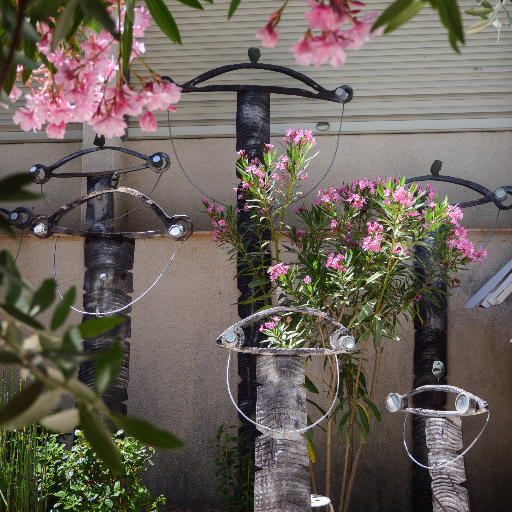
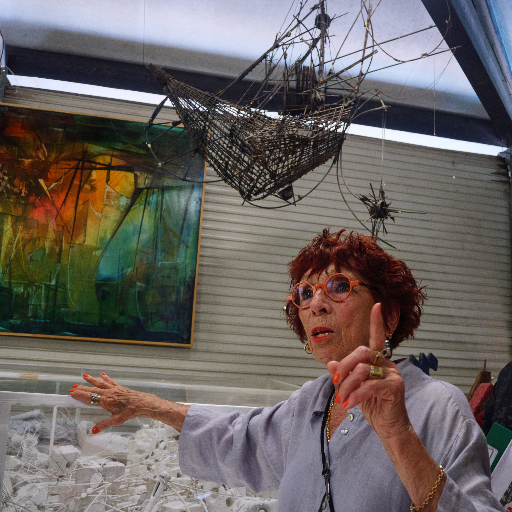
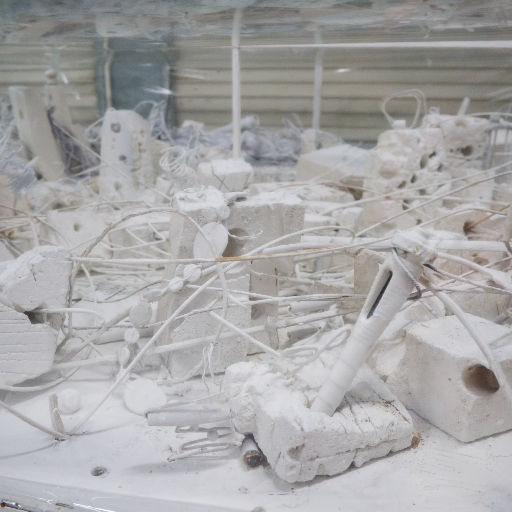
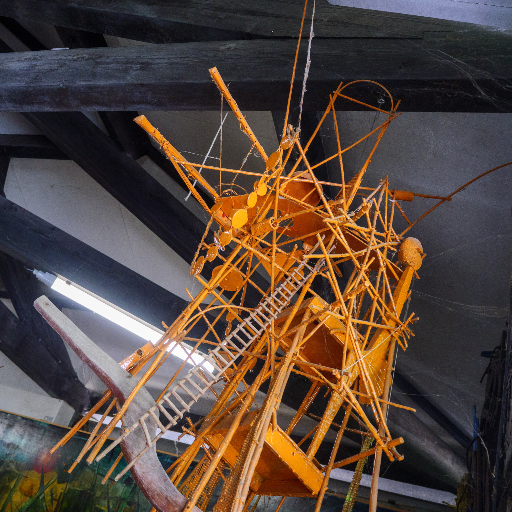
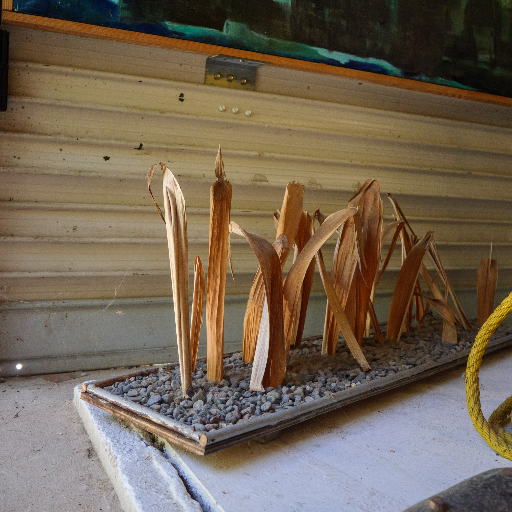
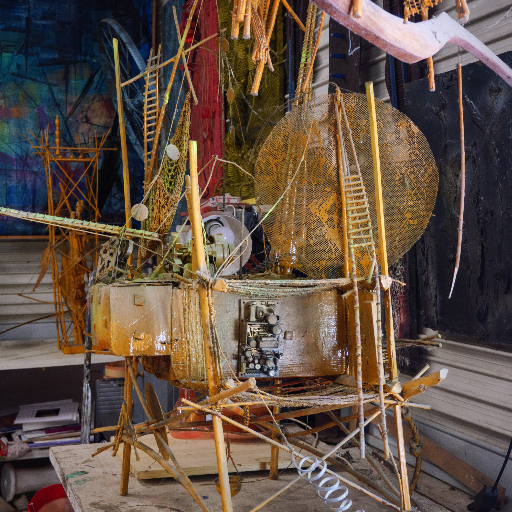
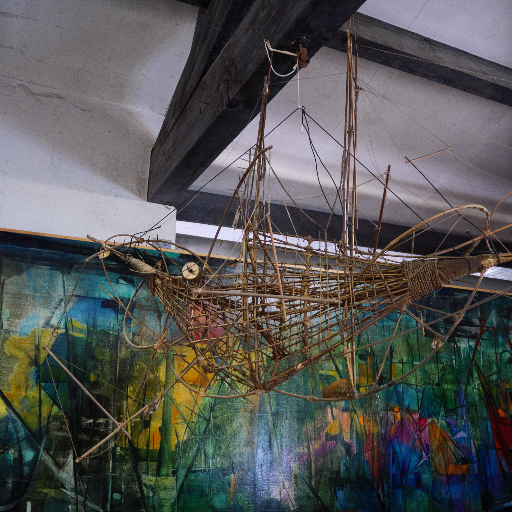
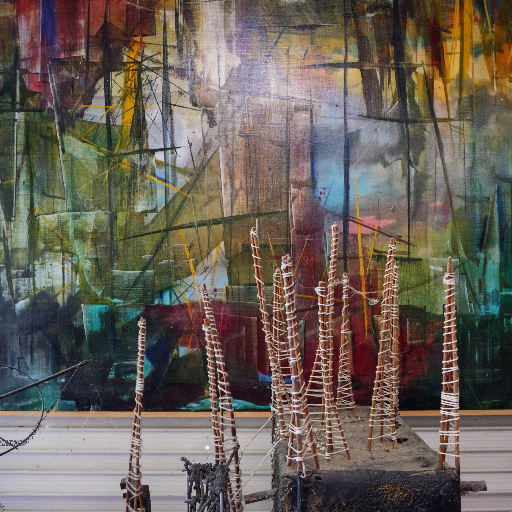
His final series, Waterworld, imagined a post-apocalyptic world reclaimed by water, where electrical components lashed to bamboo become lake dwellings and driftwood lashed together becomes totems.
Madeleine
Madeleine's practice runs alongside and through all of this. Painter, mosaicist, teacher, she spent decades transmitting as much as creating, working in Paris, in Martinique, in schools across the south of France. After François died in 2017, she stopped painting for seven years. When she came back to it, she says she wanted figures that breathe and move, bodies with blood in them. A way of continuing a conversation, no longer through grief but through the act of making.
The House as Ongoing Project
The house is her ongoing project. She has opened it, expanded it, organizes open studio days, and still fights for its recognition as a heritage site, through the association she helped create: the Association des Amis de la Maison Musée Sergio Molinier. She is working toward donating the property and its entire collection to the local authorities, so that what was built here over a lifetime doesn't simply disappear. It has not been easy, and she says so plainly.
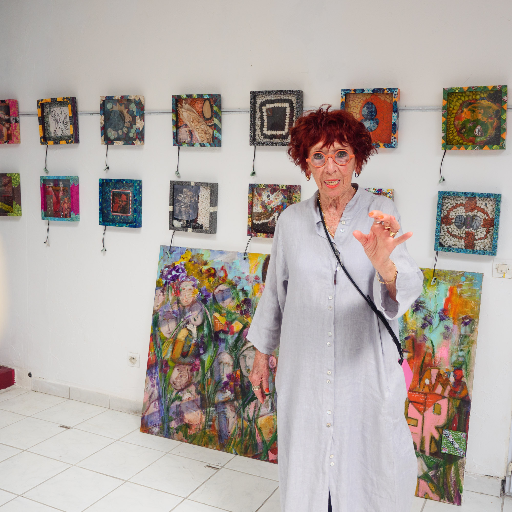
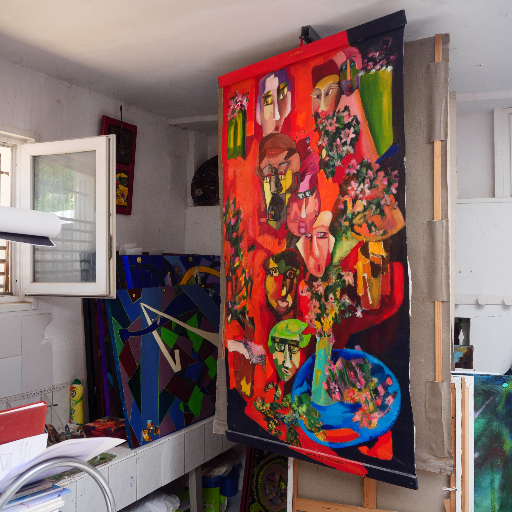
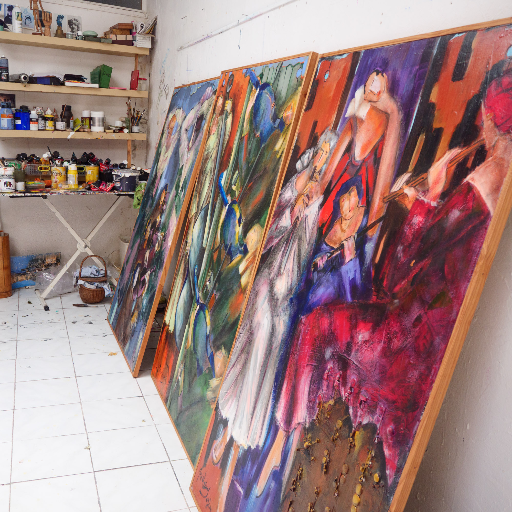
At nearly 90, Madeleine is still in the studio, still receiving visitors, still working. If you're ever in the area around Sète, reach out to the Association des Amis de la Maison Musée Sergio Molinier. They'll be glad to arrange a visit. It's worth the detour.
About the author
yanncourte.fr · @memoire.courte on Instagram
Visit the collection: Association des Amis de la Maison Musée Sergio Molinier